Have a question
The Setting Scoliosis Straight Foundation and Harms Study Group work together to support discoveries, and advance techniques, in the treatment of spinal deformities in children and adolescents worldwide.
Have a question
Address
Email us
Visit Our Non-Profit Site
Visit Our Research Site


Setting Scoliosis Straight (SSS) is a non-profit 501(c)(3) organization established in 2008 devoted to empowering families impacted by scoliosis through education, connection, and quality improvement/research efforts. Our mission is to support discoveries and advance techniques in the treatment of spinal deformities in children and adolescents worldwide.
To further support clinicians, SSS now provides two registry options featuring diagnostic‑specific modules for Idiopathic Scoliosis, Anterior Tether, Neuromuscular Scoliosis, and Spondylolisthesis, enabling more precise data collection and improved patient insights.
Our Surgeon Performance Program (SPP) offers a quality improvement/assessment registry to help optimize surgeon performance and improve patient outcomes in the surgical treatment of pediatric spinal deformity.
Learn MoreFor surgeons interested in using a registry for research purposes in addition to quality improvement, SSSF offers the option of utilizing our Database User Program (DUP) registry, which is modeled after the largest Adolescent Idiopathic Scoliosis database.
Learn MoreHear firsthand from several of our ambassadors & program participants across the globe.
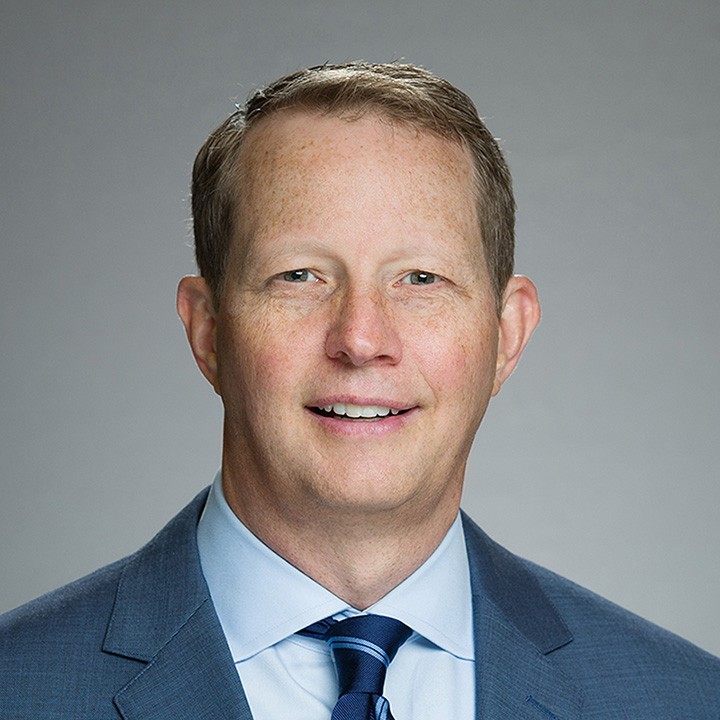
SPP/SQID has become an essential part of how I evaluate my practice. The risk-adjusted benchmarking gives me an honest, objective view of my outcomes against a national cohort, and I find real value in both the reassurance and the room to improve it reveals. It complements my research through the Harms Study Group, where that same commitment to collaborative, data-driven work continues to advance how we care for these patients.
SPP Surgeon Partcipant
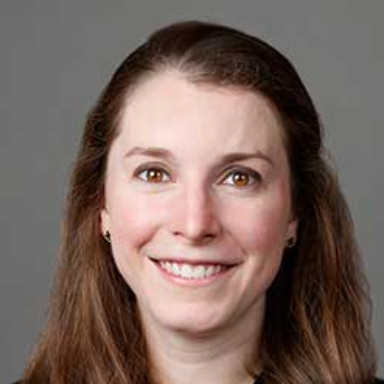
I was lucky to be involved in the initial surgeon dashboard program with the Harms Study Group, which had an immediately positive impact on myself and my institution that has continued year after year. SPP/SQID has exponentially expanded and refined this valuable pilot initiative. As an ambassador I am fortunate to help pay it forward and work to expand collaborations and the continuing efforts towards improving patient care, quality, and safety.
SPP Surgeon Ambassador
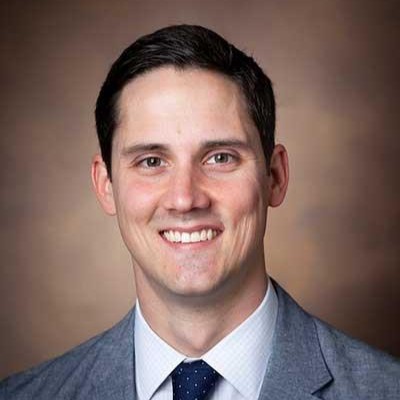
SPP/SQID brings together pediatric orthopedic surgeons who are committed to improving care through meaningful quality improvement. I became involved because it provides a collaborative, data-driven framework to identify best practices and translate them into better outcomes for children. As an ambassador, I hope to expand participation, foster shared learning, and help build a culture where continuous quality improvement becomes an integral part of pediatric orthopedic care.
SPP Surgeon Ambassador
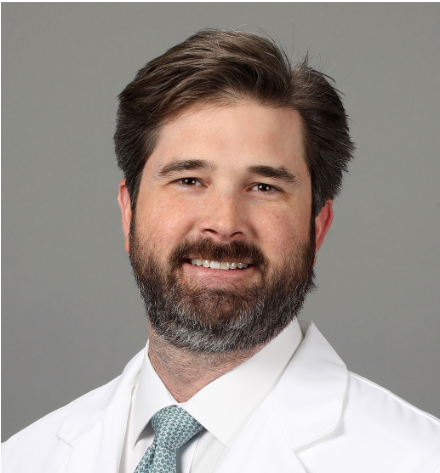
My experience with the surgeon performance program dashboard has been very valuable. Having a "stat sheet" provides me with information that I can use to critically and honestly identify areas of surgical performance that I can improve upon. It encourages me even to reach out to thought leaders in the field so that I can learn and adopt strategies that enhance surgical performance. Ultimately, this benefits the ones that matter most, the patients that I care for.
SPP Surgeon Participant
I was excited to become an SPP/SQID ambassador because it brought together my interest in creating large-scale meaningful quality improvement data with my favorite people to work with, members of the Pediatric Orthopedic Society of North America. I enjoy participating in research but have also learned that QI work can be better suited for some aspects of medicine including small, iterative, improvements forward by collaboratively using lessons learned and taking shared steps toward better efficiency and safety.
SQID Surgeon Ambassador
I was an early adopter of SPP and found it to be a valuable tool to analyze my own practice, compare myself to my peers, and stimulate ideas for research and quality improvement. My low blood loss led me to ask why my postop transfusion and Hg/Hct levels weren’t different from my colleagues and ultimately resulted in a publication about understanding ‘hidden’ blood loss.
SPP Surgeon Partcipant
Using the data provided by the SPP/SQID registry, we were able to demonstrate that our hospital's length of stay after spinal fusion for idiopathic scoliosis was well above the national average. It empowered us to work on our rapid recovery pathway and has brought down our average postoperative length of stay to be in line with national norms.
SPP Surgeon Partcipant
The QI Spine Registry is an invaluable tool for improving scoliosis care. By benchmarking outcomes such as operative time, correction achieved, blood loss, and length of stay, it helps me identify opportunities to refine my surgical approach or postoperative care to consistently deliver care that meets or exceeds accepted standards.
SPP Surgeon Partcipant
I joined SPP/SQID to benchmark my outcomes against peers nationwide. The registry’s actionable data has meaningfully enhanced my practice, highlighting areas for improvement and areas of excellence, allowing me to track long-term safety metrics, and ultimately optimize patient care. Participating keeps our team connected to a collaborative community dedicated to evidence-based quality improvement and delivering the best possible outcomes for every child we treat.
SPP Surgeon Partcipant
As a pediatric orthopedic surgeon, my goal is to provide the best possible care for every child. The SPP/SQID registry helps me do that by offering meaningful data on surgical performance, outcomes, and patient complexity. These insights drive continuous improvement and support better, more consistent care. Registries like SPP/SQID are essential to advancing quality and ensuring optimal outcomes for patients nationwide.
SPP Surgeon Participant
Free to Join & Accessible to Every Surgeon
Beneficial for Your Practice and Patients